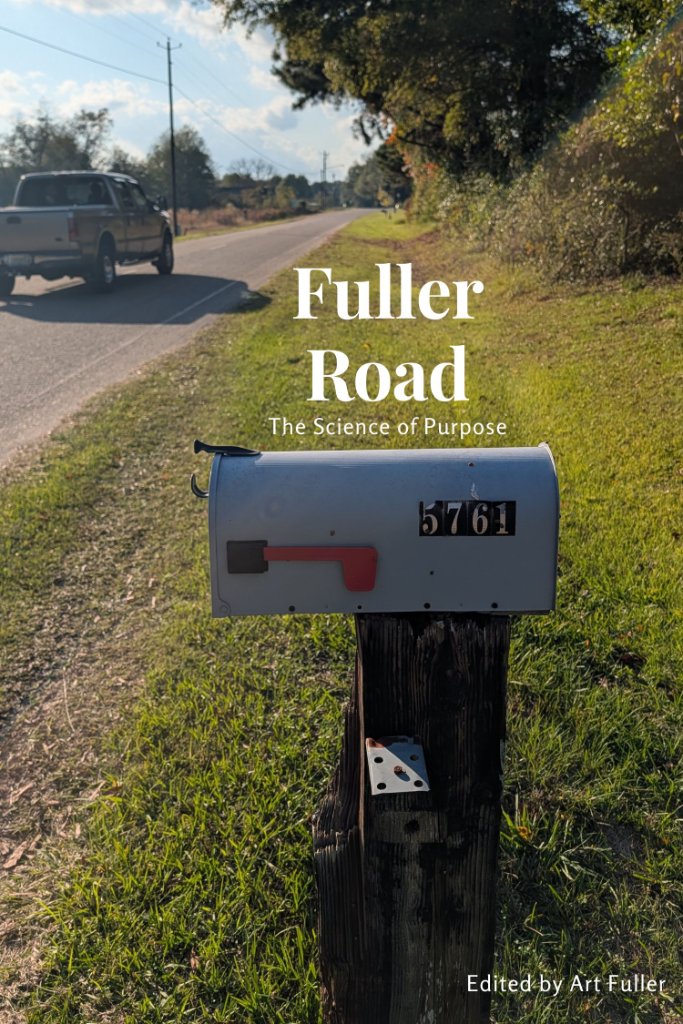
Fuller Road: The Science of Purpose
Edited by Art Fuller
A landmark 210,150-word manuscript spanning seven parts and 47 chapters. From Montgomery, Alabama's "Bloody Lowndes" County to 134 countries worldwide—documenting multi-generational wisdom, systematic purpose discovery, and empirical transformation.
Overall Critical Reception
Four Independent Reviews
Critical analysis from multiple perspectives
Comprehensive Analysis
Exceptional Significance
A landmark 210,150-word manuscript that bridges African American historical documentation, systematic purpose discovery methodology, and empirical evidence of transformational impact spanning from 'Bloody Lowndes' County, Alabama to a global movement reaching 134 countries.
Key Strengths
- Part 2 as Narrative Innovation - December 2025 Zoom interview creates urgency and demonstrates methodology in action
- Generational Bridge - Successfully connects Uncle Charlie's barefoot walks to school with Voice Up's systematic purpose discovery
- Evidence-Based Storytelling - Rare combination of oral history, methodology documentation, empirical outcomes, and transformation narratives
- Multi-Platform Integration - Healthcare leadership, music (516K+ streams), education outcomes, academic research
A foundational text on purpose, place, and perseverance. It documents how a century of systemic resistance and dignity was built, maintained, and passed down, providing a vital roadmap for understanding purpose as a lived practice.
Independent Review
A Quietly Urgent American Story
Part memoir, part oral history, part philosophical reflection that listens to elders, place, and the slow accumulation of belief across generations—capturing something increasingly rare in American storytelling: truth told without hurry.
Key Strengths
- Preserves first-person Black history rarely captured at this depth
- Anchors American history in specific, named places
- Demonstrates how belief functions as a civic and educational force
- Patient storytelling that trusts the intelligence of its reader
This is not a book you skim. It is a book you sit with. And for those willing to do so, it offers a rare gift: a grounded, humane account of how purpose is formed not through individual striving alone, but through family, place, and memory carefully carried forward.
Professional Review
Deeply Personal Multi-Generational Memoir
Blends family history, oral testimonies, and reflective essays into a cohesive narrative about resilience, faith, and discovering one's purpose. Chronicles the Fuller family's experiences as African Americans in rural Alabama during Jim Crow and beyond—a meditation on how ancestral stories fuel modern purpose-driven living.
Key Strengths
- Authentic voices preserved with remarkable fidelity (Uncle Charlie's vivid recollections)
- Emphasis on forgiveness, community building, and intergenerational knowledge transfer
- Avoids sentimentality by grounding stories in specific details
- Emotional depth and cultural significance as family archive
An uplifting read that preserves underrepresented Black Southern histories while offering practical insights on purpose. I'd recommend it for its emotional depth and cultural significance.
Historical & Methodological Analysis
Witness Literature & Applied Ethics
An interdisciplinary study of history, ethics, and human development. Uses Fuller Road in Lowndes/Montgomery County, Alabama as a lens to examine a century of Black American history, resilience, and the systematic discovery of purpose—transforming family legacy into practical, repeatable ethical framework.
Key Strengths
- As Witness Literature - Presents elders' voices directly as testimony, unmediated
- As Model for Southern Black History - Shifts narrative from trauma/escape to rootedness and continuity
- Documents the Douglass Fuller Method - Systematic approach for connecting people to purpose
- Historical Justice - Addresses Jim Crow violence, LCFO formation, and enduring consequences
Not merely a family history but a foundational text on purpose, place, and perseverance—providing a vital roadmap for understanding purpose as a lived practice.
Explore Family Wisdom
Learn from each Fuller family member featured in the book